Consent can be learned!
Consent for Youth is:
Here, we explore consent, study it and train in it.
- To embody it better as facilitators in the spaces we run.
- To know how to pass it on to young people, from an early age.
- To build a culture of consent in our society and our institutions.
A community of experts!
37 experts pooled their knowledge of consent
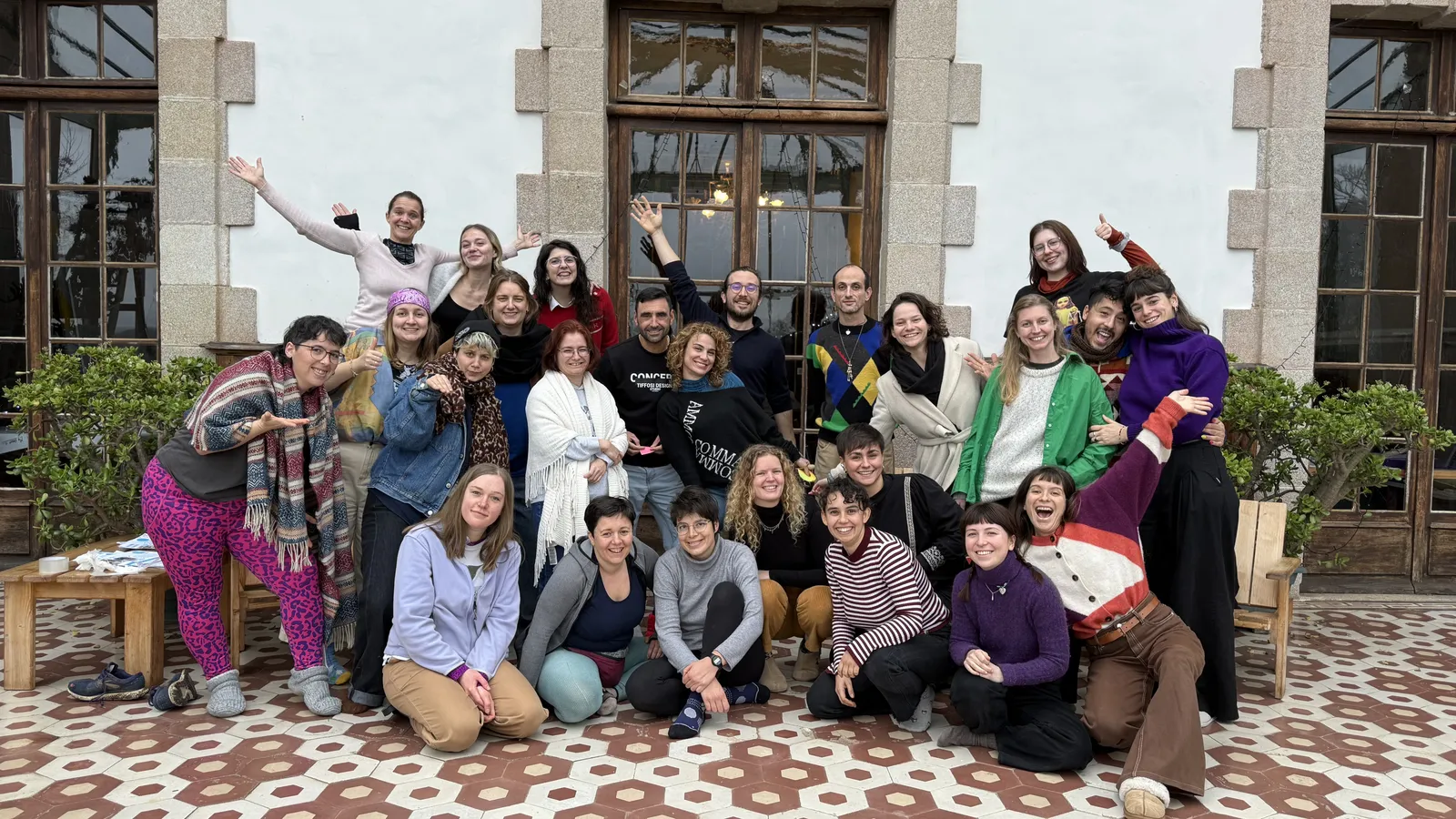
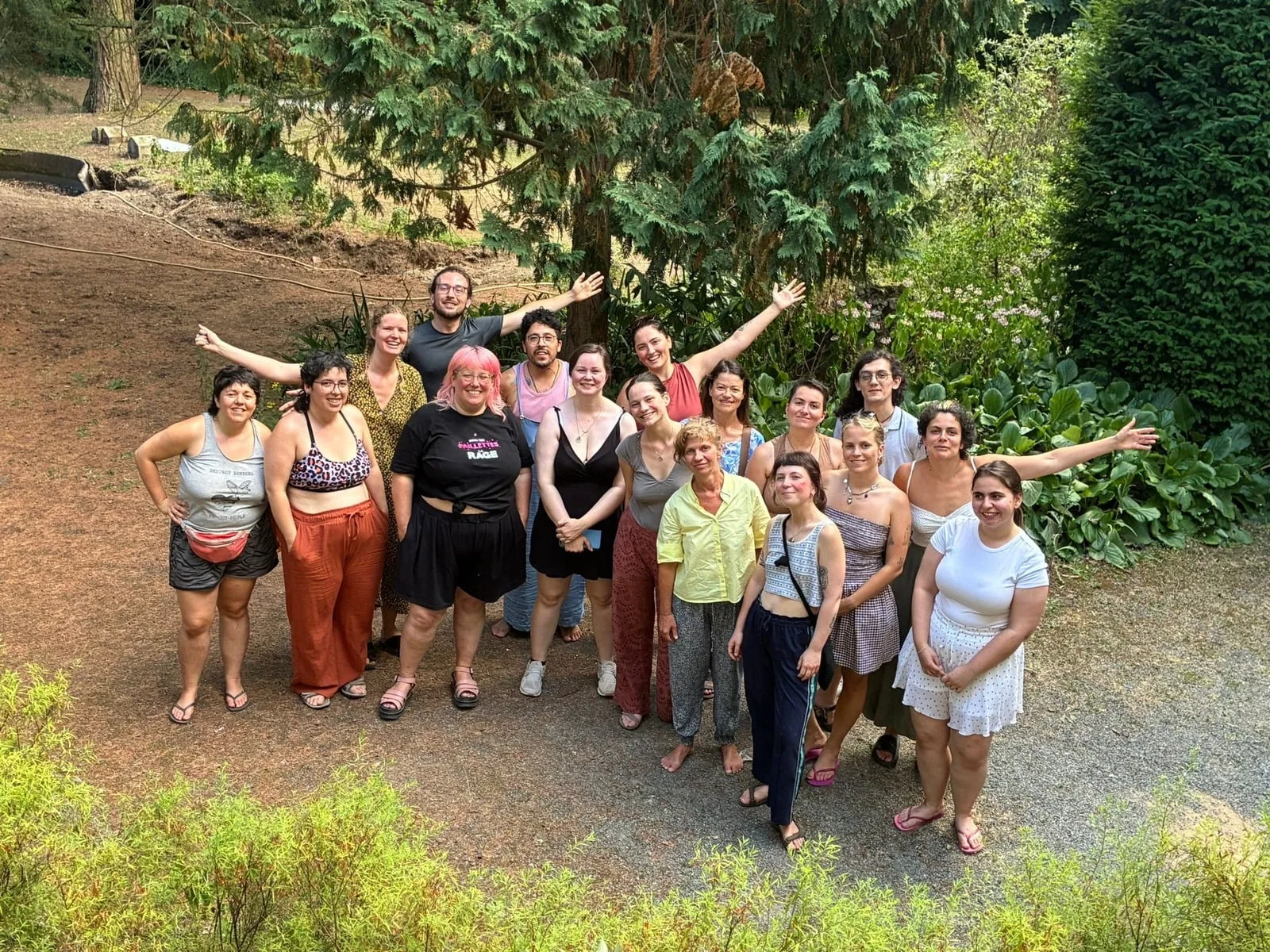
Over 2 years, Tatami Talks brought together 37 youth professionals around the Consent for Youth adventure: 2 European seminars, in December 2025 and June 2026, with experts from all over Europe.
The aim: to bring approaches together, share tools and build concrete teaching resources suited to the realities of young people today.
Because Consent for Youth was born from a simple conviction: raising awareness of consent from an early age is urgent.
The project unfolded in several stages:
- creating a network to share practices
- co-creating teaching tools
- testing the tools in several European countries
Consent for Youth means moving from theory to practice.
It means turning a social emergency into collective action.
Above all, it means making consent a shared culture, from an early age.
Find out more about the project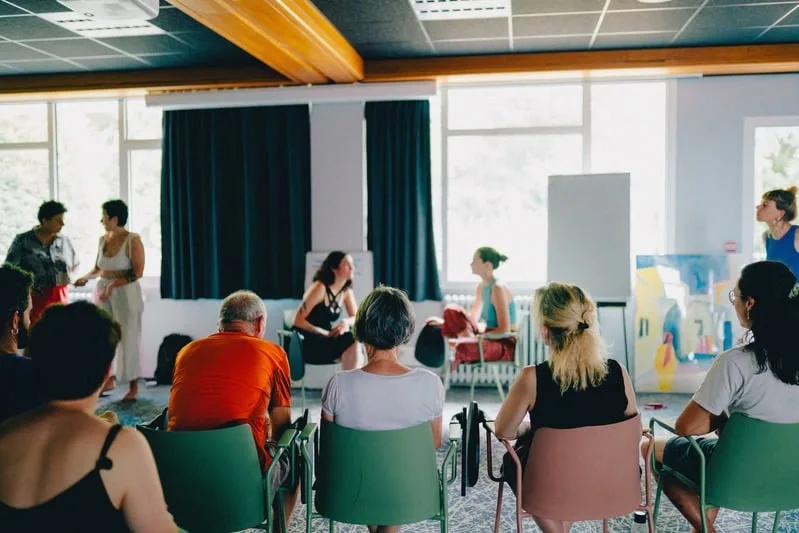

A festival devoted to consent!
156 festival-goers explored consent in all its forms
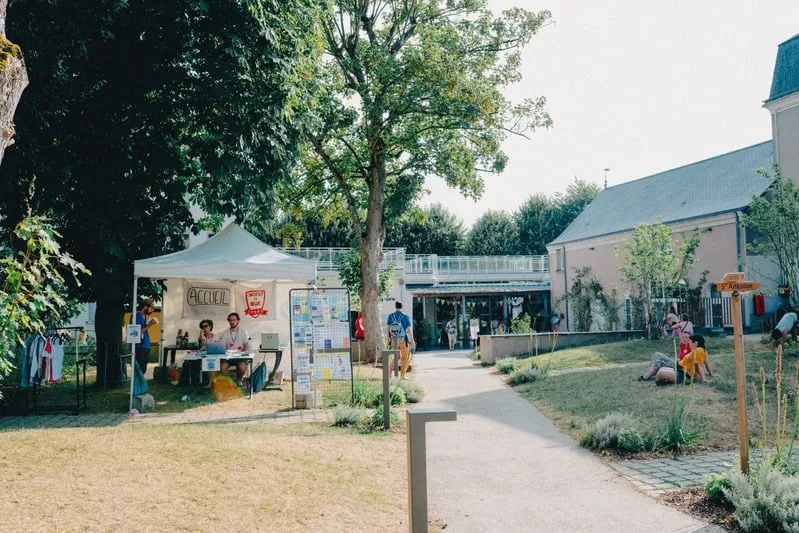
For 3 days, in June 2026 in Angers, consent was the headline topic of our festival! The Consent Gatherings brought together 156 festival-goers aged 7 to 75 around a shared wish to experiment with a consent society, to invent together a culture that brings us together, and to practise it until it becomes our way of life.
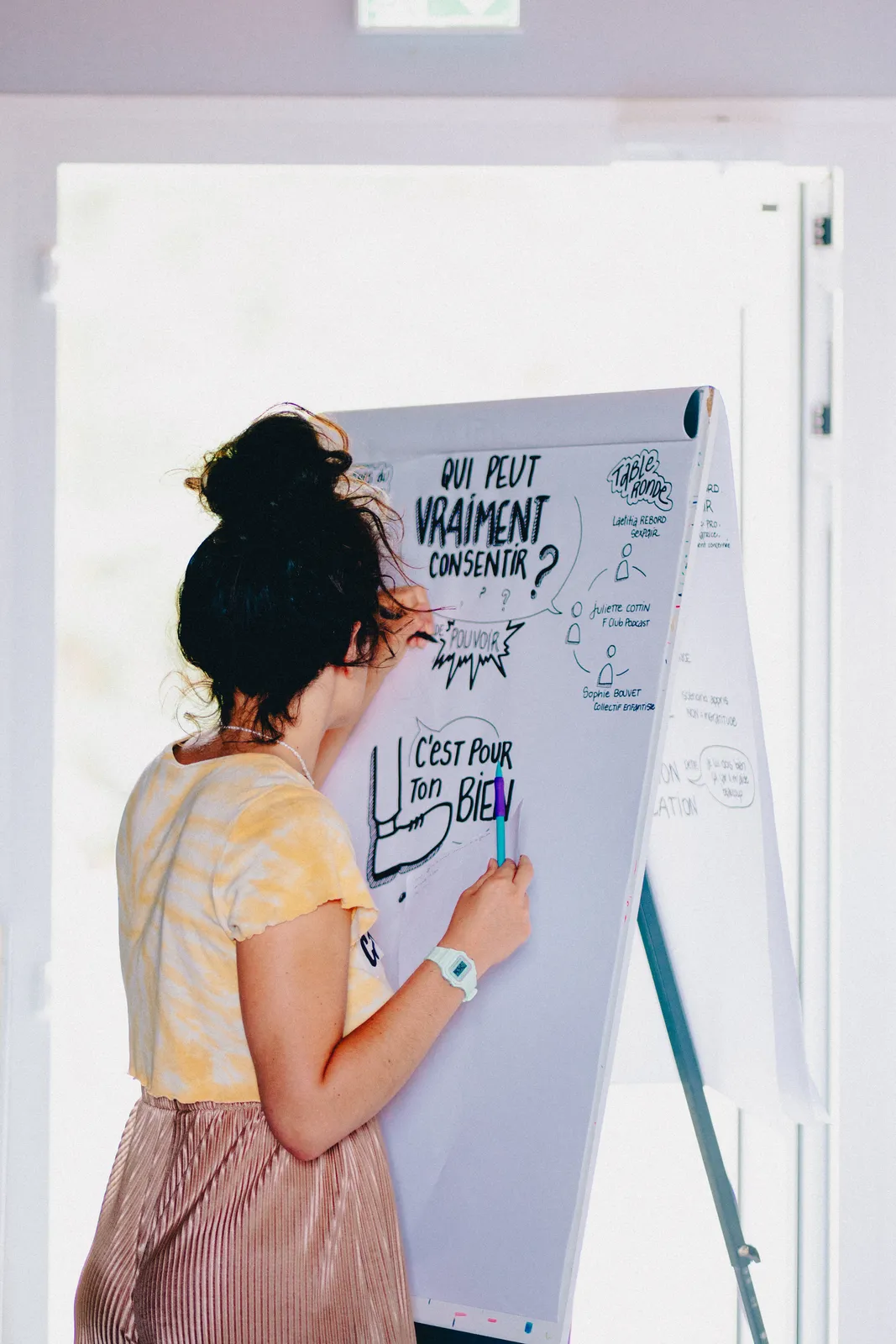
This first festival entirely devoted to consent featured 18 workshops and talks, a theatre show, a gesticulated conference and a concert. A programme for all ages (from 12-14 depending on the format), on a pay-what-you-can basis so that it stays accessible to everyone.
A living space to make these issues accessible, visible and embodied.
Look back on this first edition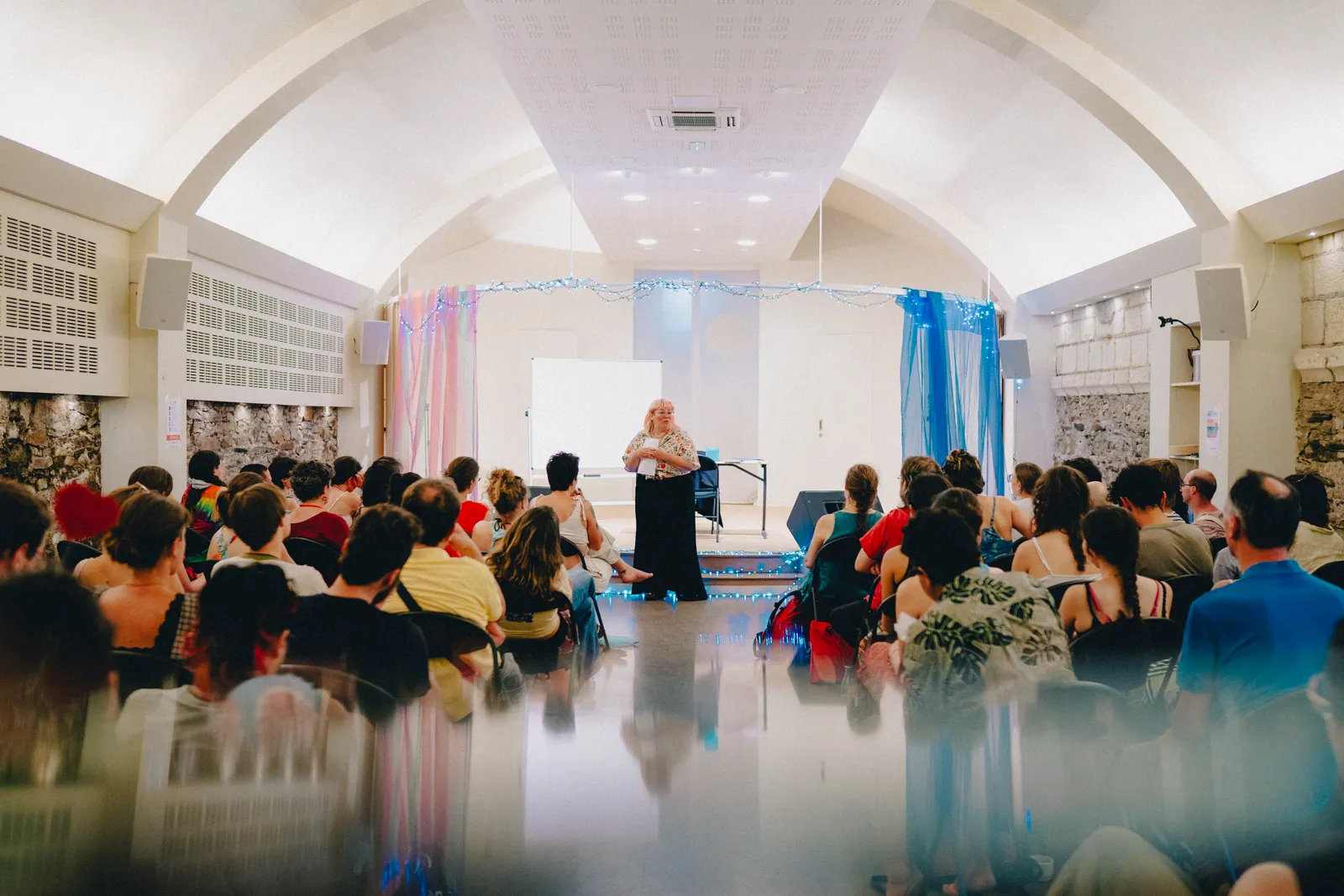
A few words from festival-goers:
“I realise there is still a long way to go before I can express what I want (endo-consent), but I can feel at peace as soon as I talk about it (thank you, care team), and that in itself is a great lesson!”
“I learnt and discovered that joining a festival about consent made me infinitely happy, and it really struck me!”
“A culture of consent brings safety.”
“I am becoming aware of how important consent is in everyday life (I was focused on the sexual side).”
“I can say no more often, encourage no’s, and the reversibility of consent.”
A consent toolkit that everyone can use!
17 tools available!
Previewed at the festival, the toolkit is now finished!
All the resources in this toolkit come from the exchanges, experiences and creativity of professionals across Europe.
They are designed to inspire, support and empower youth professionals in promoting a culture of consent.
Talking about consent with young people is essential today: early education helps develop empathy and respect, and supports equality and safety in relationships.
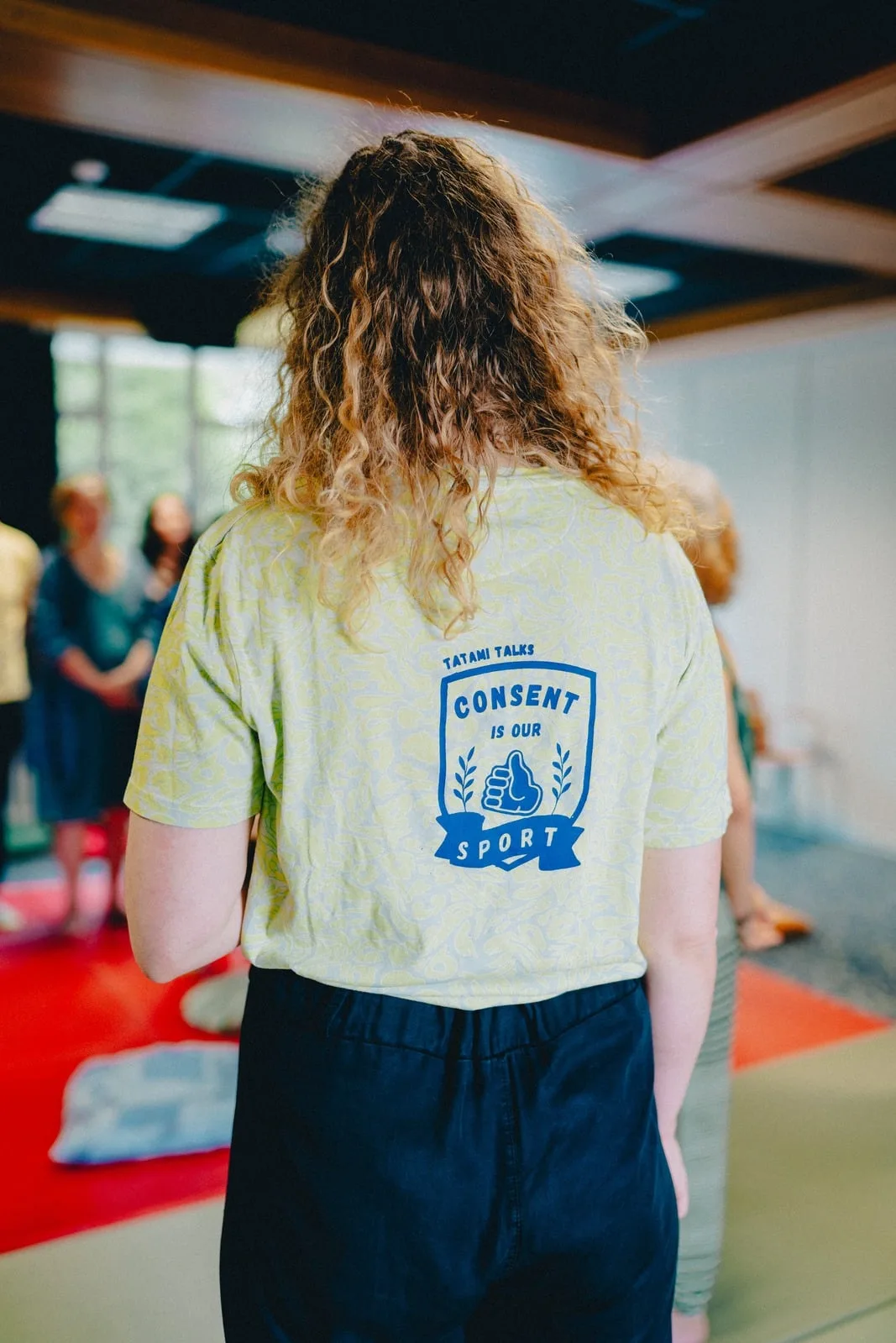

Tools designed by and for professionals
The tools come either from practices already used by professionals in their own countries, or from tools co-created and tested in December 2025 with students at the Lycée Renoir in Limoges.
Are you a prevention facilitator, youth worker, social worker, professional or volunteer in education, prevention, relationships and sexuality education (EVRAS), health, or the fight against gender-based and sexual violence?
Do you talk about consent with young people and want to discover new tools and enrich your practice? Join us!
Interested in training?Download the toolkit
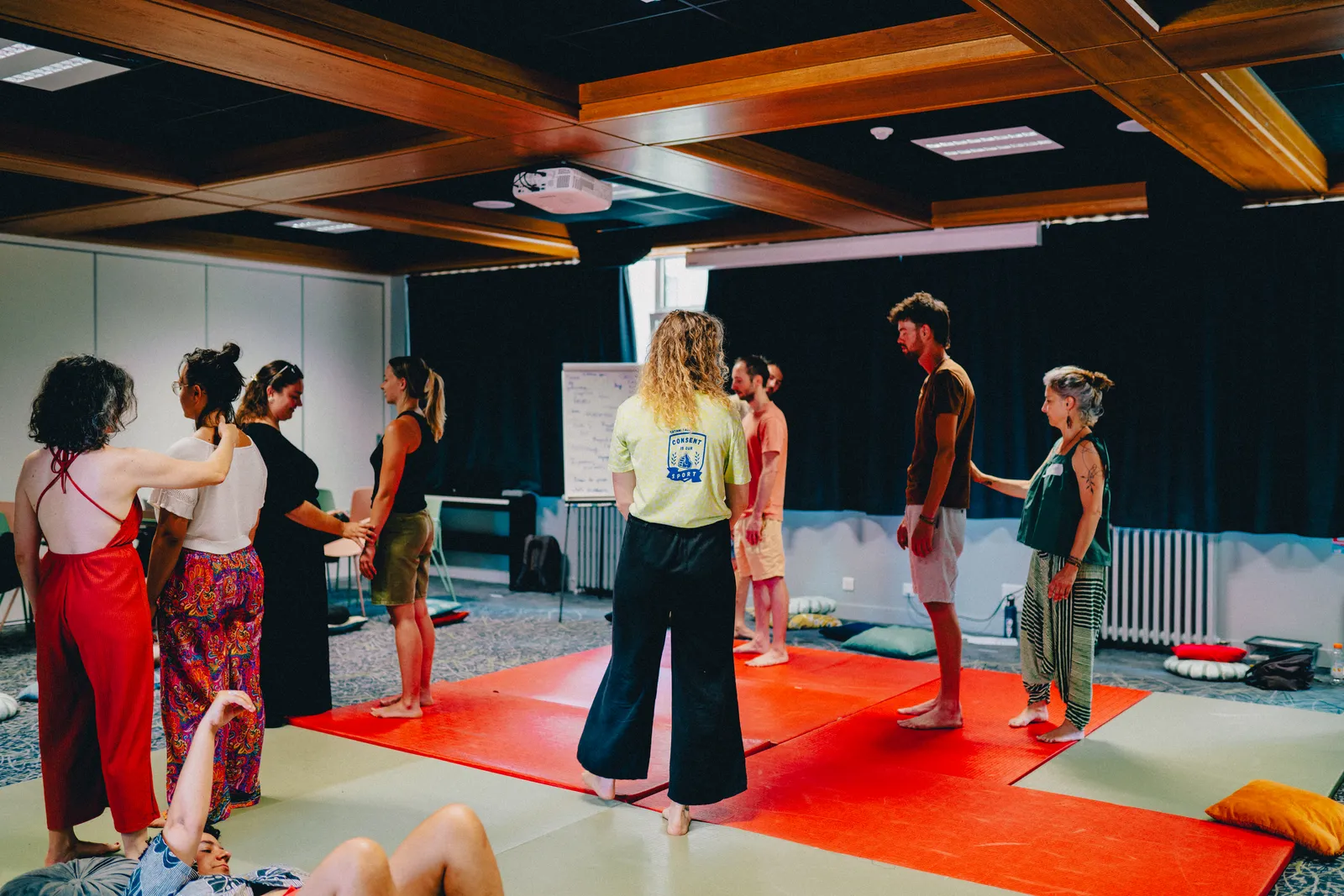
Training in the toolkit
At Tatami Talks, we believe we learn best by experimenting, by living the tools rather than studying them in books.
So to make our toolkit easier to pick up, and to help professionals embody consent in their stance and pass it on, we have created the “XXXXX” training course.
We offer 3 training levels:
- discovery of the toolkit (3h, trying out 3-4 tools)
- immersion (6h, trying out and analysing 5-6 tools)
- hands-on (12h, trying out, analysing and practising facilitation)
This training is for:
- anyone who talks about consent with young people and wants to discover new tools and enrich their practice
- prevention facilitators, youth workers, social workers, professionals or volunteers in education, prevention, relationships and sexuality education (EVRAS), health, or the fight against gender-based and sexual violence
- institutions that want to train their teams
This toolkit exists thanks to many partners.
- Produced and coordinated by
- THE TATAMI TALKS ASSOCIATION (Atic Sinalin, Lucile Grant Smith Bianchi, Marion Plouzennec, Floriane Vauthier)
- With the support of
- RFSU (Sweden), Bulgarian Gender Research Foundation (Bulgaria), Sexed (Poland), Your missing Element (Spain), Psientifica (Portugal)
- With the participation of
- Camille Chaudron, Ulsa Chiesa, Evie Gilbert, Alice Heather Moir, Emilienne Heddache, Linda Holmberg, Chloé Lafleur, Isabel Lind, Fanny Lundgren, Patricial Missel, Julia Nemorin, Clara Perrot, Laura Pereira Diogo, Pierre Tonnerre, Yna Xplora
- Testing phase
- Jérémy Faisant, Marie-Bénédicte Ampo-Violas, Lycée Renoir in Limoges
- Project funding
- Erasmus Programme of the European Union, City of Angers


The project was led by the Tatami Talks association
Tatami Talks is a non-profit association based in France. Following the success of initiatives promoting a culture of consent and inclusion in the acroyoga community (under the name of the collective Acroyoga en Question, now Acroyoga Talks), the need for an organisation dedicated to consent and inclusion in sport, movement and education became clear, and Tatami Talks was officially launched in 2024 to broaden its work.
Tatami Talks designs and runs awareness sessions, training and resources for professionals and organisations working with young people and sport.
Our goal is to foster safer, more inclusive communities by sharing knowledge and practical tools to prevent discrimination and violence.
With more than two years of field experience, Tatami Talks initiated “Consent for Youth”, a European project to share experiences and tools for raising young people’s awareness of consent across Europe.
Email: lesrencontres[at]tatamitalks.fr